
Training systems
Understand intensity, volume, strength work, and why progression needs room to breathe.
Volume 2026 · Halcyon field journal
Halcyon is an editorial resource for men over 35 who want to understand training load, recovery, and the biology of durable performance.
Read the journal“Capacity is built in the space between effort and attention.”

We translate physiology into useful questions rather than promises. Begin with one of these three editorial desks.
Understand intensity, volume, strength work, and why progression needs room to breathe.
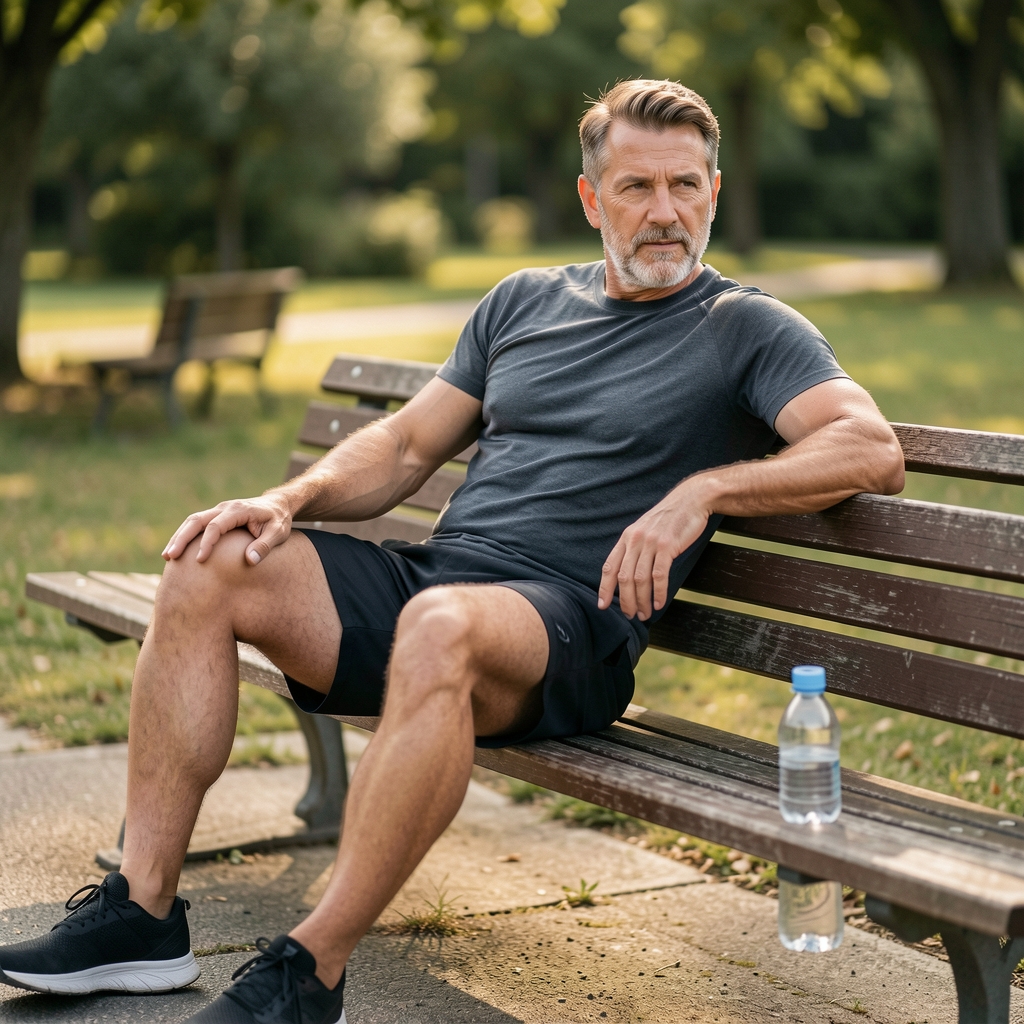
Learn to read sleep, soreness, mood, and performance without turning every day into a test.

Explore everyday nutrition decisions that support consistent movement and clear thinking.

Our articles discuss aerobic metabolism, neuromuscular adaptation, tendon tolerance, and energy availability in plain English. They acknowledge uncertainty, individual differences, and the value of professional care when symptoms persist.
Halcyon is based in Jakarta and considers heat, humidity, commuting patterns, and community spaces that shape training in Indonesia.
Visit the research desk →These categories are useful lenses for reviewing a week, not rigid prescriptions.
| Input | Useful question | Editorial lens |
|---|---|---|
| Intensity | How demanding did the session feel in context? | Compare effort with sleep, heat, and recent work. |
| Volume | What amount of movement can be repeated calmly? | Look for sustainable patterns across several weeks. |
| Recovery | What signals suggest more space is needed? | Observe mood, soreness, appetite, and performance together. |
Record the session, perceived effort, weather, and how the body felt.
Set today beside recent sessions rather than an idealized reference point.
Change one variable at a time so the result remains understandable.
Use a wider view at the end of the month to find useful patterns.
18 September 2026
Intensity is relational. A pace that feels restorative one week may feel demanding after poor sleep or travel.
Read the article04 September 2026
Strength work can complement endurance by supporting force production and confidence in daily movement.
Read the article21 August 2026
In Jakarta, climate changes perceived effort and hydration needs. Context belongs in the training log.
Read the article07 August 2026
Rest is not an empty space; it is where adaptation is allowed to consolidate.
Read the articleSmall, observable adjustments are often easier to interpret than frequent redesigns. Review the context around each change.
Life demands, training history, sleep, and accumulated experience all influence perceived effort. Age is one part of a wider picture.
Temperature, humidity, stress, and previous sessions can alter the experience of familiar work.
The glossary gives concise definitions and links to longer research notes.
Training information can support reflection, but it cannot replace an individualized assessment. Persistent pain, unusual symptoms, or concerns about exercise should be discussed with a qualified clinician.
Read our editorial boundaries
Writers organize complex material into language that respects evidence and lived experience.

Local routines, public spaces, and climate help keep the publication grounded in real settings.

Observations from training spaces add texture without turning anecdotes into universal conclusions.
Browse the library, save a question for your next session, and bring persistent concerns to a qualified clinician.
Write to Halcyon