Aerobic metabolism
The process of producing energy with oxygen. It supports sustained activity and responds to training, rest, nutrition, and life context.
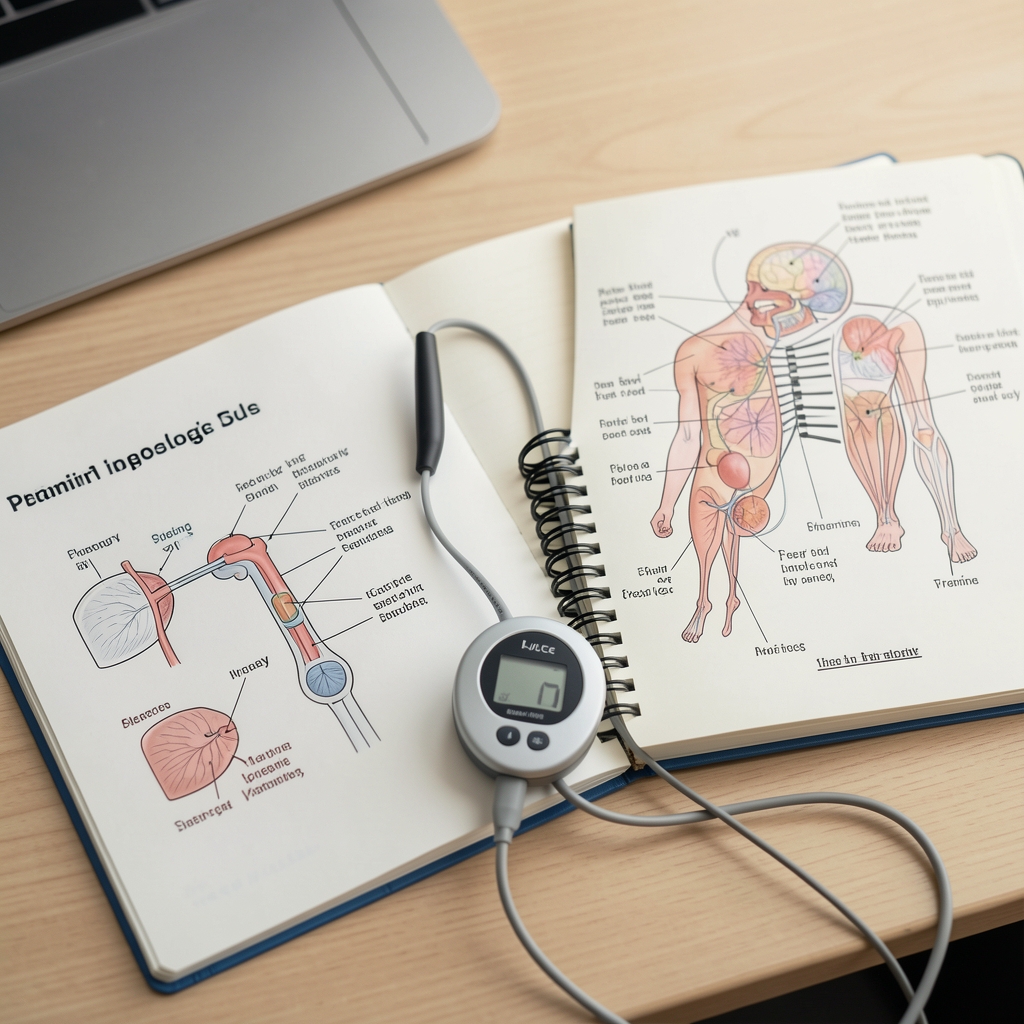
Definitions are short on purpose. A glossary should make a word easier to use, not replace the detailed context of research or professional assessment.
Halcyon uses these terms when writing about endurance, strength, mobility, sleep, and training after 35. Meaning can vary between studies, so readers should follow the linked article and note the population and setting described.
The process of producing energy with oxygen. It supports sustained activity and responds to training, rest, nutrition, and life context.
A point during increasing effort where breathing changes noticeably. It is not a single universal number and is influenced by testing method.
A person's felt experience of effort. It combines breathing, muscle sensation, mood, heat, sleep, and expectations.
A description of the work completed, often considering duration and intensity together rather than distance alone.
| Term | Plain-language meaning | Why context matters |
|---|---|---|
| Force | A push or pull produced by muscles and external resistance. | Position, speed, fatigue, and equipment change the demand. |
| Power | Force expressed with speed. | A fast movement may require a different preparation than a slow lift. |
| Range of motion | The available movement at a joint or series of joints. | Useful range depends on the task and comfort. |
| Progression | A planned change in difficulty, volume, or complexity. | Only one variable needs to change at a time for clear review. |
A change that occurs as the body responds to repeated exposure and recovery. The timeline differs by quality, person, and workload.
A model in which capacity may rise after recovery. It is a useful concept but not a complete description of every response.
The increasing drive to sleep across waking hours, influenced by timing, light, activity, and individual variation.
Terms are tools. They clarify a question; they do not decide what a person should do.
For questions about terminology or a correction, contact Halcyon at Jalan Mawar No. 45, Kebayoran Baru, Jakarta Selatan, Jakarta 12160, Indonesia, or +62 857 2341 9876.